Trump’s Tariffs: What They Mean for the US Dollar and Your Wealth
On April 1, 2025, President Trump dropped a bombshell—the biggest tariffs we've seen in modern American history.
Wealth protection isn't just about building assets—it's about making sure they last. And one of the most common concerns we hear from clients is: "What happens to my money after I'm gone?"
In early April 2025, President Trump unveiled a sweeping set of new tariffs. Ranging from 10% to 50%, they target nearly every country and mark a return to trade protectionism on a massive scale
Clients sometimes ask us, "Can I buy Bitcoin in my retirement account?" and for good reason, as investors continue to look for new ways to grow their nest eggs and protect retirement savings.
"How do I set up a family foundation?" It's a question we hear from clients who want to make a lasting impact with their wealth.
Thinking about getting a living trust in New York? You're not alone. Many New Yorkers want to protect what they’ve built and make things easier for their loved ones.
“The world is changing, and not for the better.” We’ve been telling our clients this for years, and it’s truer today than ever.
When Hollywood legend Gene Hackman passed away in February at 95, he left behind an amazing film legacy—and, unfortunately, a real-life drama about his $80 million estate.
"Is it really safe to live in Mexico?" That's usually the first question clients ask us when they're considering moving south of the border.
Picture this: a charming stone cottage nestled in a historic Italian village. Narrow cobblestone streets wind past your doorstep.
Clients sometimes ask us for our thoughts on banking in Dubai. Is it worth the hassle? How do you get started? What are the potential pitfalls?
"What's an umbrella company?" This question pops up more and more in our client meetings these days. Maybe you've come across the term while researching asset protection strategies.
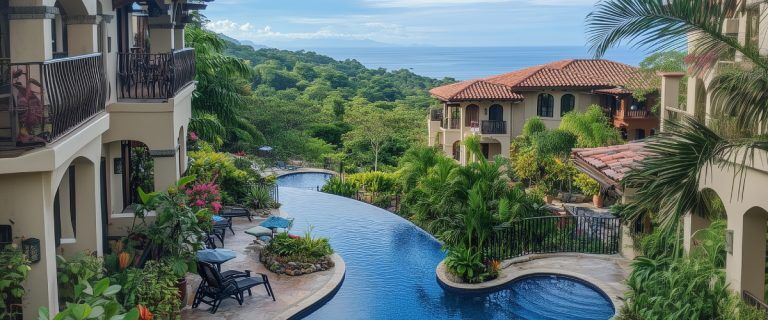
We get a lot of inquiries about owning property in Costa Rica. It makes sense – the country has long been a magnet for American investors and expats drawn to its stunning beaches...
Portugal has been popular with our clients for a while now. Their generous Golden Visa program was a big part of that, but it wasn't the only reason.
Many Americans with property or assets abroad wonder what must be reported to the Treasury and IRS and what can remain private.
Clients sometimes ask us for our thoughts on the Global Currency Reset. If? When? How? And what do you need to do to protect against it?
Many clients come to us with a common desire: to get some of their assets out of the US dollar.
The United States is one of only two countries in the world that taxes the worldwide income of citizens who live abroad.
It’s a question we’ve gotten a lot, especially since the collapse of Silicon Valley Bank and First Republic Bank this past spring. So how do you protect against bank bail ins? We’ll explore that in today’s piece.
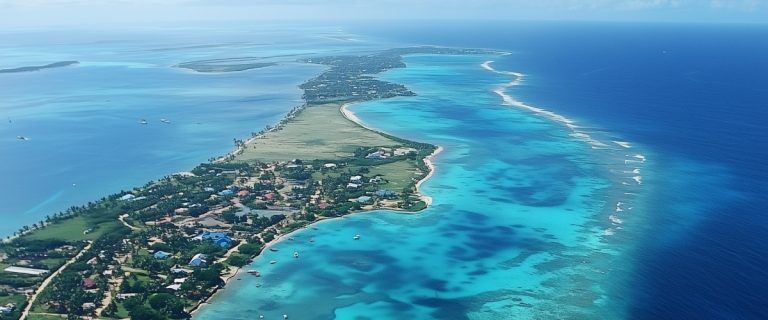
When I talk to private clients about offshore bank accounts, two places tend to pop up: Switzerland and the Cayman Islands.
We get a lot of inquiries about offshore trusts. More often than not, we end up talking someone out of setting one up rather than recommending it.
You likely know how important it is to get a second residency. It lets you live in another country if you find staying here in the United States just isn’t working for you anymore.
When we first started in this business, opening a foreign bank account was considered "going offshore". In the decades since, our clients tend to do a lot more. More asset types. More real estate. More money invested internationally.
I first went to Europe more than 20 years ago. I've lived there, worked there, and invested there. I can tell you from personal experience that it's a lot easier to do with a passport. But how do you actually get EU citizenship?
LLCs are almost perfect. They’re easy to form and administer, making them a great way to hold a business or investments. But they’re also an amazing asset protection tool. Why?
An offshore bank account is one of the most traditional ways to start your overseas journey. It's a very useful tool if you plan to invest in another country, buy foreign real estate, or want to move some of your assets out of harm's way here in the US.
Think of offshore banking and you might think of an offshore numbered account. You know, the anonymous place to stash some cash when the bad guys are after you. Ultimate privacy and discretion.
For quite some years, we've worked with American clients buying, holding, and selling real estate in Panama—especially in the hot spots of Panama City, Boquete, David, and more recently, Coronado.
I had dinner with a globe-trotting executive last weekend. He's about to retire but for decades he's travelled the world and done business in dozens of countries.
When many of our clients think about residency in Europe, they often think about "Golden Visa" programs. That's especially true of programs in Greece, Spain, and the most famous of all, Portugal.