
Easiest (and Hardest) International Investments to Inherit
We’ve often warned clients to be careful how they set up their foreign holdings if they plan to leave them to their heirs.

We’ve often warned clients to be careful how they set up their foreign holdings if they plan to leave them to their heirs.

A colleague of mine introduced us to a prospective client a few weeks ago.

I was first introduced to foreign real estate investing in 2007, roughly six years before I started working with The Nestmann Group.

We have many clients buying property in foreign countries. Compared to holding assets like cash (in a foreign bank account), stocks or bonds (in a foreign investment account), precious metals (in a foreign vault), or other “movable assets”, foreign real estate almost always falls very clearly under the jurisdiction of the country in which it sits. It’s a “situs” asset.

I had a call with a client a few days ago to discuss their foreign real estate. They’ve entered into purchase agreements to buy a number of properties in a couple of countries and wanted to know the best way to hold them.

A client came to us recently having spent years building her overseas plan. Key to that was the purchase of several properties in Portugal as long-term investments.

Owning property abroad is a dream for many — income, lifestyle, dollar diversification, sometimes even residency. But while the brochures sell sunsets and beaches, making money from your foreign property investment depends on unglamorous details: things like how the property is titled, managed, structured, and taxed.

Panama has long drawn foreign interest—for its role as a global trade hub, for its welcoming residency programs, and for its mix of modern infrastructure with tropical lifestyle. Retirees, investors, and multinational companies alike have all found reasons to plant a flag here.

If you’ve spent any time looking at foreign real estate, you’ve probably come across headlines like: • “Own a vacation home in paradise and let it pay for itself!” • “Turn your beach house dreams into a cash flowing short term rental!”

In 2025, the movie La Dolce Villa hit Netflix – inspired by Italy’s now-famous “1-euro home” program – documenting an American couple who tries to rebuild their lives (and a crumbling Sicilian farmhouse) after selling their tech startup.

Buying real estate overseas can be a smart way to diversify – not just your assets, but your lifestyle and legacy, too. But if you're hoping to finance that purchase as an American, you’ll quickly learn the rules are different. Sometimes wildly so.

A villa in Portugal. A condo in Panama. Farmland in Uruguay. It sounds simple – buy some property, enjoy the upside, maybe build a Plan B.

Clients often ask us about foreign real estate options overseas that offer more than just protection from political instability and market volatility. They’re looking for places where the lifestyle is comfortable – and the investment makes good financial sense.

International real estate can play a valuable role in a well-structured wealth plan. It offers geographic diversification, long-term lifestyle flexibility, and – when done right – can even help simplify inheritance and reduce exposure to US taxes and bureaucracy.

How to insulate against US market chaos with foreign property—legally. It’s been building up for some years, but since early 2025, we’ve seen a surge in the number of Americans looking to get out of the US dollar and the chaos of the US markets.

Many of our clients ask us about real estate in Costa Rica for expats, and for good reason: the country has long been a dream destination for expats seeking sunshine, natural beauty, and a relaxed lifestyle.

Costa Rica's emerald jungles and pristine beaches beckon millions in Foreign Direct Investment (FDI) each year, offering the promise of both paradise and profit.

Clients often ask us about buying property in Costa Rica. Is it legal? Is it safe? What about taxes? And how should they structure ownership to protect themselves?

Picture this: a charming stone cottage nestled in a historic Italian village. Narrow cobblestone streets wind past your doorstep.
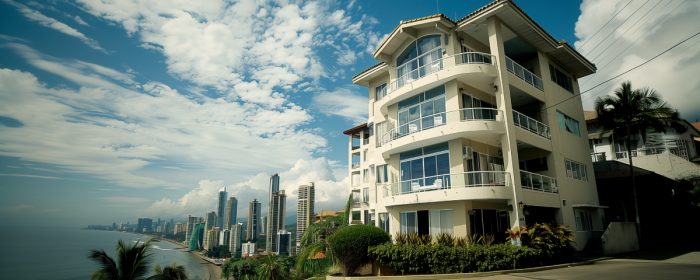
When you think of foreign real estate, you might picture a retirement house by the beach. But for many of our clients, investing in property abroad is used for a great deal more.

Individual Retirement Accounts (IRAs) are a big part of many American investment plans – to the tune of $13 trillion in 2021.