
States With No Income Tax: A Complete Guide
Nobody likes paying taxes, and state income tax can take a big bite. It feels even worse when you move outside the US but have to keep paying in your home state without using any of the services there.

Nobody likes paying taxes, and state income tax can take a big bite. It feels even worse when you move outside the US but have to keep paying in your home state without using any of the services there.

The United States is one of only two countries in the world that taxes the worldwide income of citizens who live abroad.

I had dinner with a globe-trotting executive last weekend. He's about to retire but for decades he's travelled the world and done business in dozens of countries.

No one enjoys paying taxes. Especially when the money supports things that we don't believe in.

Italy has always been quite a draw for our clients. Beautiful landscapes, friendly people, excellent food, and a nice pace of life. The only major turnoff was the high taxes -- at least until a new tax regime we're calling the "Italy flat tax" came about.

To our customers and clients, the Kamala Harris tax plan has received a lot of attention recently. After all, taxes tend to go up more often during Democratic administrations than Republican ones. That includes the Biden administration.

When I was first introduced to Private Placement Life Insurance (PPLI) back in 2010, I didn't think it possible. It promised extremely strong asset protection, estate and legacy planning benefits, and a legal way to grow millions of dollars in a tax-deferred (and sometimes even tax-free) way?

If you're trying to figure out whether you need to file Form 8858 and how to do it, you're in the right place.

We’ve long been skeptical when it comes to IRS pronouncements of a “tax gap” – the difference between a taxpayer’s actual income tax liability and what they actually paid.

In July 2022, we learned that West Virginia Senator Joe Manchin had signed on to a slimmed-down version of President Biden’s "Build Back Better" Plan (BBBP). This updated proposal, now known as the "Inflation Reduction Act of 2022," has sparked widespread debate and analysis.
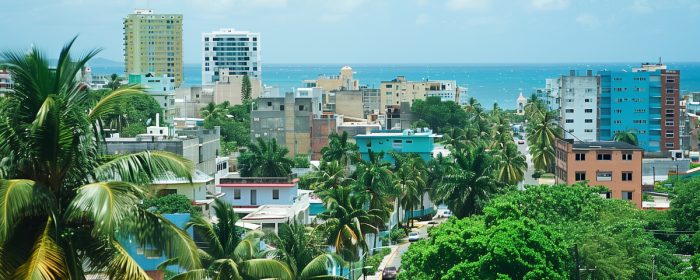
The Unique Tax Status of US Territories One of the American tax system's many oddities is the way the country deals with US territories like Guam, the Northern Mariana Islands,…

We’ve been in the “offshore" business long enough to have some fairly long memories. Thirty or 40 years ago, it was considered sophisticated to have an offshore bank account. At a cocktail party, someone might casually mention they had assets in Switzerland. To the "in crowd," offshoring yourself was a mark of sophistication.

Read only the mainstream media and you’ll think that Americans evade $150 billion or more in taxes on offshore assets every year.

I might be the only writer on the offshore beat who isn’t in love with Puerto Rico’s tax incentives. Recently, a colleague of mine whom I greatly respect published an entire issue of his newsletter about Puerto Rico.

I will be the first to admit it: I’m a lousy investor. My first forays into the investment markets came in the early 1980s, when I saved up enough money to buy some stocks.
Donald Trump could be the worst president ever if he follows through on his promises to bust the federal budget and crack down on civil liberties.

Less than six months ago, the mainstream media had a field day announcing the release of the so-called “Panama Papers.”
FATCA, officially known as the Foreign Account Tax Compliance Act, is probably the worst law that most Americans don't know about.

It’s often not “PC” (politically correct) to point out the truth. But someone needs to do it. Here’s an “inconvenient truth†for President Obama and those in Congress who want to shut down what they call “offshore tax havens.â€

With an $18 trillion debt and $97 trillion or so in unfunded liabilities, Uncle Sam is anything but flush with money. So Congress and President Obama are looking for ways to stem the flow of red ink.

One of the most important services that I think I provide our consulting clients is to say “no†to some of their harebrained ideas. Over the last year or so, the scheme that I’ve said “no†to more than anything else involves Puerto Rico.

Over the last few weeks, I’ve had close to 30 consultations with Nestmann Group clients. And one of their top concerns is that Barack Obama or some future US president will find a way to confiscate the money in their IRAs or 401(k) plans.

It can... at least when it wants to ensure you're paying your taxes. Even though it goes against one of the hallmarks of the Bill of Rights, which reads:
What standard of proof does the IRS have to demonstrate in order impose the most severe civil or criminal penalties possible for failing to acknowledge a foreign account? The answer: less than you might think.

A U.S. law with the Orwellian name of the "Bank Secrecy Act" requires U.S. citizens and permanent residents to report interests in, or authority over all foreign accounts with an aggregate value of $10,000 or more...

Occasionally, the U.S. Congress discovers to its great surprise that the agency it created to collect revenues for the federal government, the Internal Revenue Service, engages in systematic abuse of taxpayers. In one such moment in 1979, Congress created the Office of the Taxpayer Ombudsman as a taxpayer advocate within the IRS. This office eventually became the Taxpayer Advocate Service (TAS). by authority of first so-called "Taxpayer Bill of Rights" in 1988.

The United States is one of the very few countries, and the only major country, that taxes its citizens, no matter where they live. If you haven't lived in the United States in decades, you must pay tax on your worldwide income as if you never left. Even "accidental" U.S. citizens born overseas with at least one U.S. parent, who never set foot in the United States, must file U.S. tax returns. Beneficiaries of a deceased U.S. citizen living abroad must prepare a U.S. estate tax return and possibly pay estate tax, even if they're non-U.S. citizens who have never lived in the United States.

Approximately seven million U.S. citizens live overseas. And while most of them don’t realize it, they’re subject to the same U.S. tax and reporting obligations as any other U.S. citizen.