How to Spot Offshore Scams
I was talking to a potential client – A US financial advisor – about Swiss investments. He half-joked, “it must be heavy carrying all that cash to Switzerland”.
I was talking to a potential client – A US financial advisor – about Swiss investments. He half-joked, “it must be heavy carrying all that cash to Switzerland”.

"Is it really safe to live in Costa Rica?" a client asked me last week. It’s a fair question. Central America often gets painted with the same broad brush, but Costa Rica is different. Known for political stability, strong infrastructure, and established expat communities, it consistently ranks as one of the region’s safest options.
For more than 1.6 million Americans, Mexico is home. And with good reason: the focus of life is less about work, it’s warmer, and in plenty of places, it’s also more affordable.

With political stability, good healthcare, and a legal system that protects foreign investors, it’s easy to see why more than 120,000 Americans now call Costa Rica home.
In 2025, Italy became one of the most popular places for wealthy foreign investors – who now own approximately 70% of its luxury real estate – to buy property.
You’ve probably asked yourself: Where is this all headed? Ballooning deficits. Political gridlock. Uncomfortable talk about wealth taxes. Add it up, and even the most patriotic Americans are starting to look for backup plans.
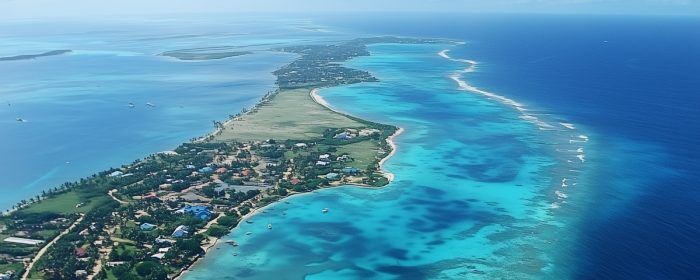
We get many inquiries from clients about Cayman Islands residency, and for good reason.

How safe a place is comes up a lot when clients ask us to help them find the “best” overseas place to live. If you’re in the same boat – you’re thinking of leaving the US but aren’t quite sure where yet – Europe is worth a look for plenty of reasons.
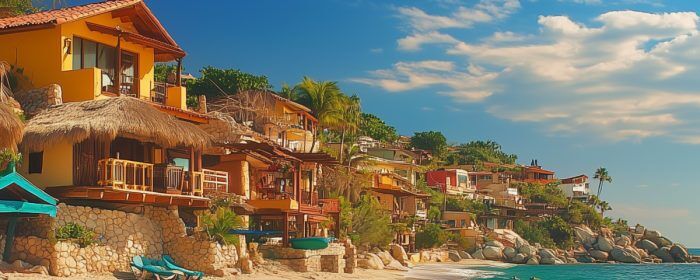
"Is it really safe to live in Mexico?" That's usually the first question clients ask us when they're considering moving south of the border.

Portugal has been popular with our clients for a while now. Their generous Golden Visa program was a big part of that, but it wasn't the only reason.

You likely know how important it is to get a second residency. It lets you live in another country if you find staying here in the United States just isn’t working for you anymore.

Every election year, there's an increase in the number of people who want to move out of the US permanently.
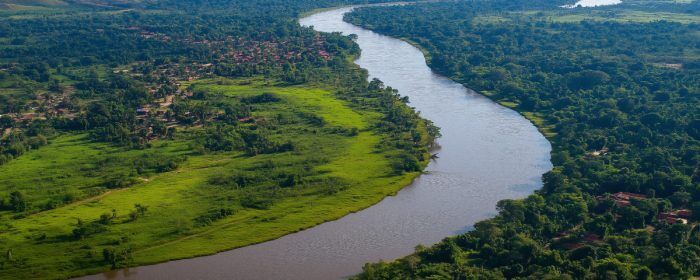
Paraguay wasn't on too many people's radars when I first entered this business in 2009. (Uruguay, Argentina, and Ecuador were more popular among my mostly American clients.)

Funds can be a great way to benefit from the rise of a market without trying to pick the winners -- a hard game even for professionals. But what about offshore funds -- those based outside the US (usually) that may give you access to investments not available stateside?
Offshore investments often carry a negative connotation, but the reality is far more nuanced. Contrary to popular belief, most offshore activities are entirely legal and serve legitimate purposes. Media coverage tends to sensationalize the idea of offshore investments as synonymous with corruption. The truth is that these financial arrangements are often practical, necessary, and above all, legal.

A fundamental injustice of US tax law is that it discriminates against the approximately nine million Americans who live in other countries.

In the 30-plus years I’ve been in the publishing business, I’ve seen my share of “new countries.” Some are scams, such as the Dominion of Melchizedek, which I exposed as a fraud nearly two decades ago.
A new batch of stolen data from an offshore services provider has now been released. Dubbed the “Paradise Papers,” the leak consists of more than 13.4 million documents from Appleby’s, an international law firm based in Bermuda.

The world’s billionaires are hoarding cash. Why, you ask?
The short answer is market volatility.
The Founding Fathers were clear when they made state rights and a leash on central government the lynch pin of our constitution.

300 years before the birth of Christ, a man named Neoptolemus took what was alleged to be his ill-gotten gains and fled the city-state of Athens. The leader of Athens, Lycurgus, demanded that Neoptolemus be executed for fleeing with his wealth.
In the 30 years I’ve been writing about developments in the offshore world, I’ve been called a lot of things: “Insightfulâ€â€¦ â€thoughtfulâ€â€¦ but also “misguidedâ€â€¦ and (my personal favorite) “pessimistic.â€

You could be forgiven for believing offshore frauds are a thing of the past. After all, with “Know Your Customer” rules that practically require you to submit to a DNA test to open an offshore account, you wouldn’t think it’s exactly easy for scam artists to bank the proceeds of fraud.

I’ll never forget the first time I saw a lobster boiled alive. It was at a family gathering when I was very young, perhaps five or six years old. One of my aunts calmly picked up a happily wriggling lobster out of an ice chest and dropped it in a pot of boiling water.
It’s no secret that governments worldwide are broke. One country after another is cutting social benefits and taking other measures to reduce government spending.
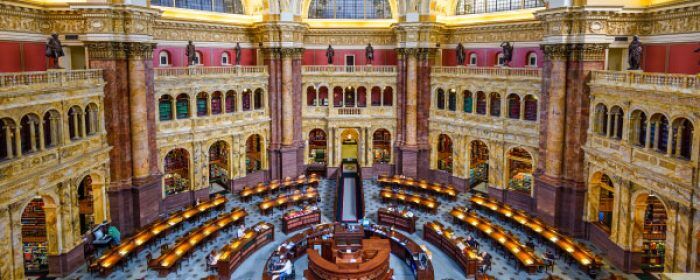
Freedom to travel is a fundamental and internationally recognized human right. Article 13 of the Universal Declaration of Human Rights (UDHR) states:

One of the assumptions of the eurozone – those 19 countries in Europe that use the euro as their national currencies – is that if any country left the zone, economic disaster would follow in its wake.
FATCA, otherwise known as the Foreign Account Tax Compliance Act, is one of the most arrogant and one-sided laws ever passed by Congress. I first wrote about it in this essay.
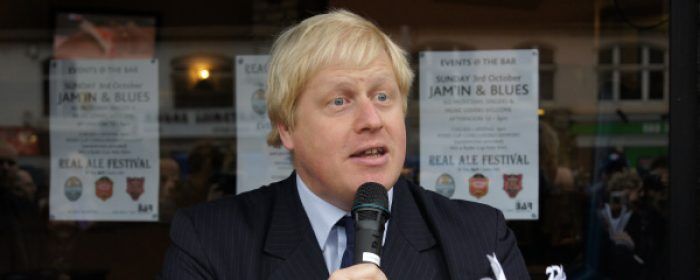
Boris Johnson, the mayor of London, just became the unlikely spokesperson for the 8 million or so US citizens living abroad. Boris is an “accidental” US citizen. Although his parents were British, he was born in the US.

Expats and foreign investors are among the easiest marks for fraud – one of the dangers of international investing that promoters don’t like to talk about. Fraudulent real estate deals are rife.